
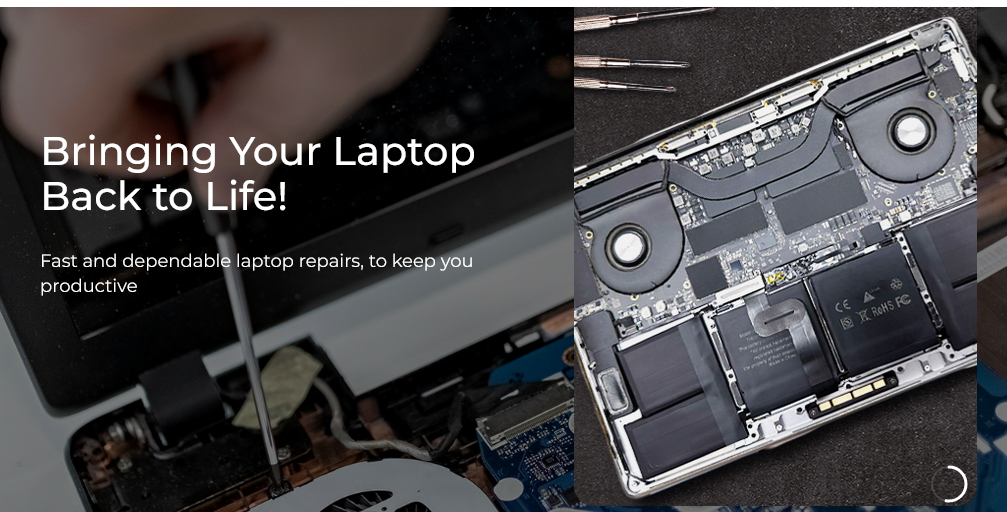
Technology is at the heart of nearly everything we do. From working remotely to staying connected with friends, we rely on our devices daily. But when something goes wrong—whether it’s a sudden crash, a virus, or a hardware failure—it can be frustrating and disruptive. That’s when computer repair services become essential, helping us restore our devices and get back on track without unnecessary stress.
Over the years, I’ve had my fair share of tech troubles, and I’ve learned the importance of having reliable repair options at hand. In this article, I’ll share my perspective on why computer repair matters, the common issues most people face, and how to make the best choices when your device starts showing signs of trouble.
Why Computer Repair Services Are Essential
When a computer stops working properly, it’s more than just an inconvenience—it can disrupt productivity, communication, and even personal finances. I’ve found that professional repair services often save time and money compared to trying to troubleshoot everything on my own.
Here are some reasons why these services are so valuable:
- Expert Diagnosis – A trained technician can quickly identify the root of the problem, whether it’s hardware, software, or a mix of both.
- Cost-Effective – Fixing a device often costs far less than replacing it with a brand-new one.
- Data Safety – Professionals know how to safeguard or recover your files during the repair process.
- Peace of Mind – Knowing your computer is in capable hands takes away the stress of dealing with tech issues alone.
Common Computer Issues That Need Professional Help
From my experience, some problems just can’t be solved with a simple restart. These are a few of the most common issues that usually require professional attention:
- Slow Performance: Over time, computers can slow down due to malware, cluttered files, or aging hardware.
- Virus or Malware Attacks: Security threats can steal personal information or damage important files.
- Hardware Failures: Broken screens, faulty keyboards, or malfunctioning hard drives are problems best handled by an expert.
- System Crashes: When your computer freezes or crashes often, it’s usually a sign of deeper issues that need repair.
- Connectivity Issues: Problems with Wi-Fi or Bluetooth can make working or studying nearly impossible without proper fixes.
I’ve faced each of these at different times, and in every case, professional repair saved me hours of frustration and gave me a working device again.
Choosing the Right Computer Repair Service
Not all repair shops or services are the same, so choosing the right one makes a huge difference. Here are some tips I use when deciding where to go:
- Check Reviews and Reputation
I always look at customer feedback online. Positive reviews are a good sign that the service is trustworthy and effective. - Ask About Experience
A technician who has been in the field for years usually knows how to handle a wide range of problems. - Look for Clear Pricing
No one wants hidden costs. I prefer services that explain pricing upfront before starting repairs. - Inquire About Data Protection
Since our devices often hold sensitive information, I make sure the repair service prioritizes data safety. - Check Warranty Policies
Some shops offer warranties on their repairs, which provides reassurance if the same issue happens again.
DIY Fixes vs. Professional Repairs
I admit, sometimes I try to troubleshoot on my own. Cleaning up files, restarting the device, or running antivirus scans are all good first steps. But I’ve learned the hard way that tackling complicated repairs without the right knowledge can make problems worse.
That’s why I now balance simple DIY fixes with knowing when to hand things over to a professional. For example, I handle basic maintenance myself but trust experts for anything involving hardware replacement or system recovery.
How to Prevent Frequent Computer Problems
While repairs are sometimes unavoidable, I’ve found that good habits can reduce the chances of major breakdowns:
- Keep Software Updated: Updates often fix bugs and security vulnerabilities.
- Use Antivirus Protection: Regular scans help detect and remove harmful software.
- Avoid Overloading Storage: Leaving some space free improves performance.
- Clean Hardware Regularly: Dust and debris can cause overheating if ignored.
- Back Up Important Files: This ensures your data is safe even if your computer fails unexpectedly.
By following these steps, I’ve been able to keep my devices running longer and reduce the need for frequent repairs.
Final Thoughts
Computers are essential tools, but like any machine, they need proper care and attention. When problems arise, having access to reliable computer repair services makes all the difference. From saving valuable data to extending the life of your device, professional help ensures your technology keeps supporting your daily life without interruption.